
The Parallels Between the Malcolm Bryant Case and the Adnan Syed Case
On the evening of November 20, 1998, 16-year-old Toni Bullock was fatally stabbed in Baltimore, Maryland. 24 year-old Malcolm Bryant was subsequently convicted of her murder. Thereafter,
In 2009, a petition for DNA testing was filed and in 2011, fingernail clippings taken from Bullock were sent for testing. The testing revealed a partial DNA profile of a male, which had a rare identifier, which Bryant did not have. Several more rounds of DNA tests were performed and in 2015, a full DNA profile was obtained from Bullock’s t-shirt—where the fatal wound was inflicted. That profile contained the same rare identifier and matched the partial profile taken from the fingernail clippings.
Finally, in May 2016, Bryant was granted a new trial, and the charges against him were dismissed. Tragically, less than a year later, Bryant died from a stroke.
Recently, Bryant’s family brought a lawsuit against parties such as the Baltimore Police Department, lead investigator William F. Ritz, and forensic analyst Barry Verger. At the end of this post, I will detail the allegations in this lawsuit, which of course will be contested.
But what’s interesting about this case is that it’s already produced a report by the Baltimore Event Review Team, which
is a voluntary collaboration among the Baltimore City State’s Attorney’s Office (SAO), the Baltimore Police Department (BPD), the Maryland Office of the Public Defender in Baltimore City (OPD), and the University of Baltimore Innocence Project (UBIP), a collaborative effort of the Office of the Public Defender and the University of Baltimore School of Law, coordinated by the Quattrone Center for the Fair Administration of Justice at the University of Pennsylvania Law School.
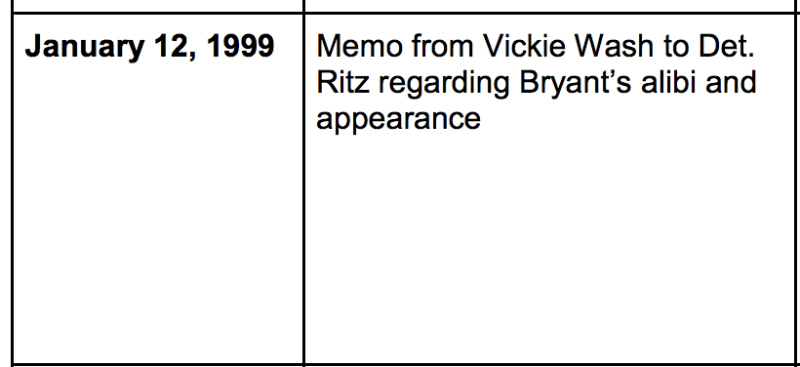
And that report deals, inter alia, with the investigation of Bryant’s alibi beginning with a memo from Assistant District Attorney Vickie Wash to Detective Ritz on January 12, 1999. This is important because Wash and Ritz were the team assigned to investigate Adnan Syed’s movements, including a possible alibi, on January 13, 1999, the day that Hae Min Lee disappeared, meaning that these investigations were occurring simultaneously.
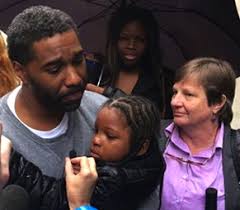
Malcolm Bryant
The Malcolm Bryant Investigation
The report on the Bryant case notes that “[o]n January 12, 1999, the ASA assigned to the case sent a memo to detectives”:
Bryant’s alibi was as follows:

According to the report, however, there was failure to properly investigate Bryant’s alibi and failure to comply with discovery rules (including failure to disclose exculpatory evidence):
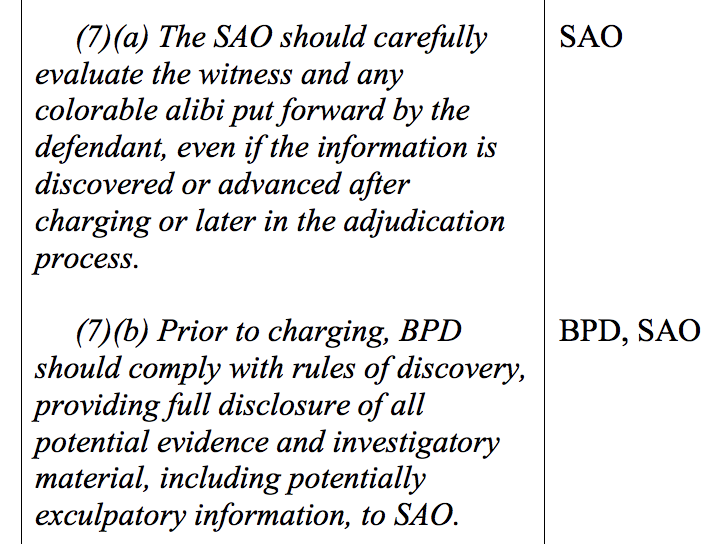
Specifically,
BPD’s file does not indicate any attempt to confirm or refute his alibi, including attempting to speak with all of the parties that Bryant mentioned that could confirm or deny key details. It is unclear whether investigators visited places where Bryant claimed to be: a restaurant before the time of the homicide, the Twilight Club a few hours after the homicide, a convenience store, and a hospital for treatment of a cut that he claimed occurred after a fight at the Twilight Club.
The reason that the report finds “[i]t is unclear whether investigators visited places where Bryant claimed to be” is because the documentation by the Baltimore Police Department and the Baltimore City State’s Attorney’s Office is so spotty. According to the report:

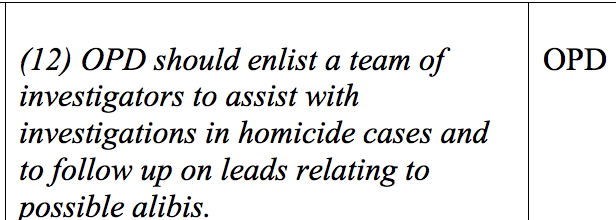
As a result of the poor alibi investigation/documentation in the Bryant case, the report makes the following recommendation:
But the report isn’t limited to the alibi investigation and finds that overall “[t]he BPD investigative file lacks expected documentation that could have assisted in identifying the inaccurate conviction.” This in turn leads to the following recommendation:

The Adnan Syed Investigation
These findings have pretty interesting implications for the Adnan Syed case given that the day after Wash sent Ritz the memo on Bryant’s alibi, Hae Min Lee was murdered, followed by Wash and Ritz leading the early investigation into Adnan Syed’s whereabouts and possible alibi on January 13, 1999, meaning that these investigations were happening at the same time. So, what do we know about that early investigation in the Adnan Syed case?
-We don’t have notes from interviews with 5 out of the first 8 witnesses they interviewed after Adnan was arrested: “Ann,” Debbie, Aisha, Jeff J., and Patrice;
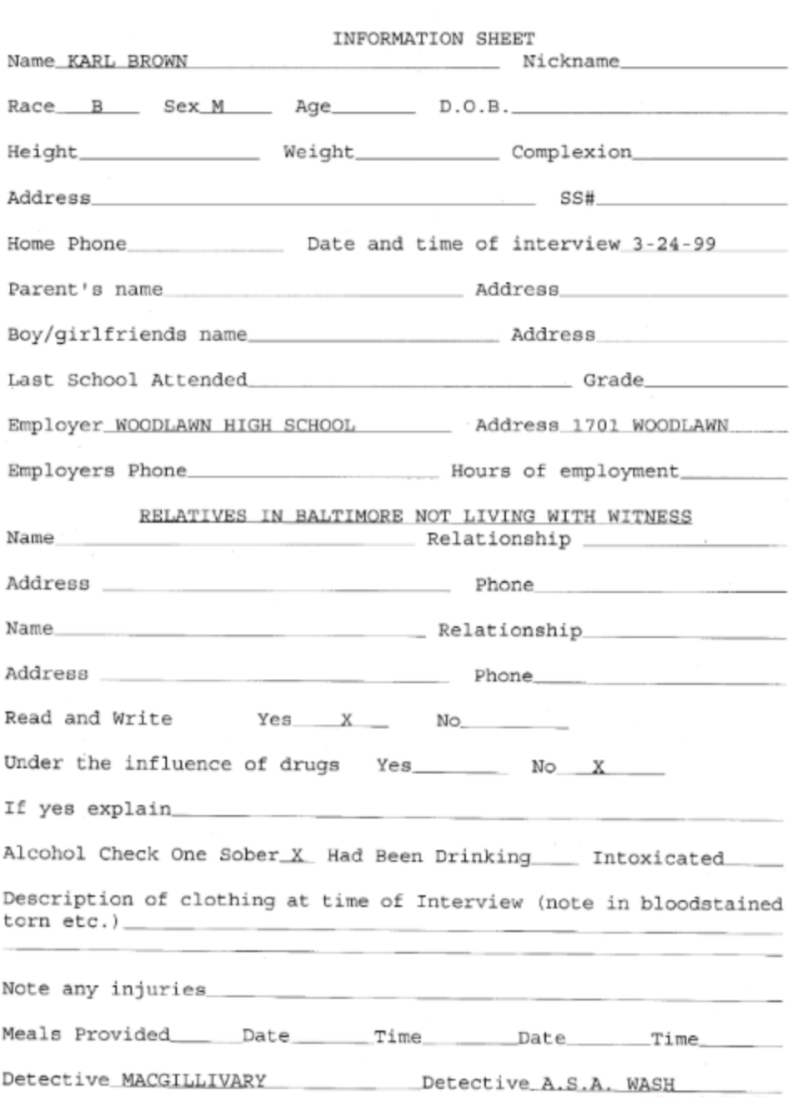
-We don’t have the interview notes from the interview of Coach Karl Brown, who was selling his motorcycle, but we do know that Wash was present for that interview:
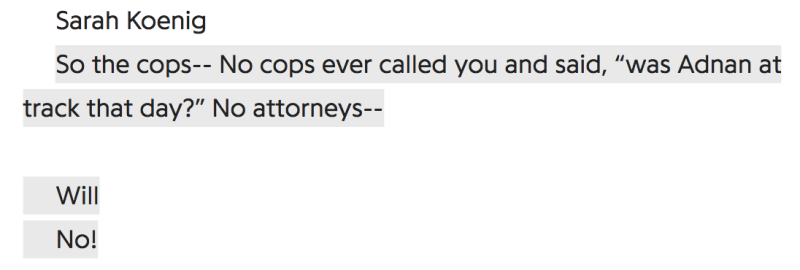
-It does not appear that anyone from the State interviewed any of Adnan’s track teammates who could have corroborated Adnan’s alibi, including his teammate Will, who Jay mentioned in his March 18th ride-along:
-It does not appear that anyone from the State interviewed “Takera,” the student whom sat next to Hae Min Lee in her final period class and whom Debbie said asked Hae for a ride after school on January 13, 1999:

In other words, as in the Bryant case, we see Wash and Ritz (1) failing to fully investigate a possible alibi defense; and (2) failing to properly document their investigations. In the Bryant case, a report that was done with the participation of the Baltimore City State’s Attorney’s Office and the Baltimore Police Department found that these types of errors contributed to Bryant’s wrongful conviction and that proper conduct could have prevented his wrongful conviction. You could just as easily draw the same conclusion based upon their similar errors in the Adnan Syed case that they were investigating at the same time.
Bryant’s Lawsuit
Of course, Bryant’s lawsuit alleges additional facts:
The suit alleges Ritz failed to disclose knowledge of an eyewitness to Bullock’s death, whose account contradicted and undermined testimony from the only eyewitness at trial. Ritz also allegedly failed to disclose multiple pieces of evidence pointing to another possible suspect in the case.
These, of course, would be Brady violations if proven, and they would undermine any faith we can have that Ritz disclosed material exculpatory evidence in the Adnan Syed case that he was handling at the same time. We will have to see, however, how the lawsuit proceeds.
-CM